
Synergist Law represents people seriously injured in car, truck, commercial vehicle, bicycle, and pedestrian collisions. The firm is based in San Rafael and handles cases across Marin County, the North Bay, San Francisco, Los Angeles County, and the rest of California. Choose an area for local details: who takes the crash report, which public agency receives a claim, and where a case is filed.
This page provides general information, not legal advice. Every case depends on its own facts.


Marin County
Home base. My office is in downtown San Rafael on 4th Street, minutes from the Marin County Superior Court. Town-by-town guides cover who takes the report, the County’s crash data, and where claims go.
Marin County injury claims →
Sonoma County
Two CHP offices, the County’s Vision Zero crash data, SMART rail claims, and separate Santa Rosa courthouses for limited and unlimited civil cases.
Sonoma County injury claims →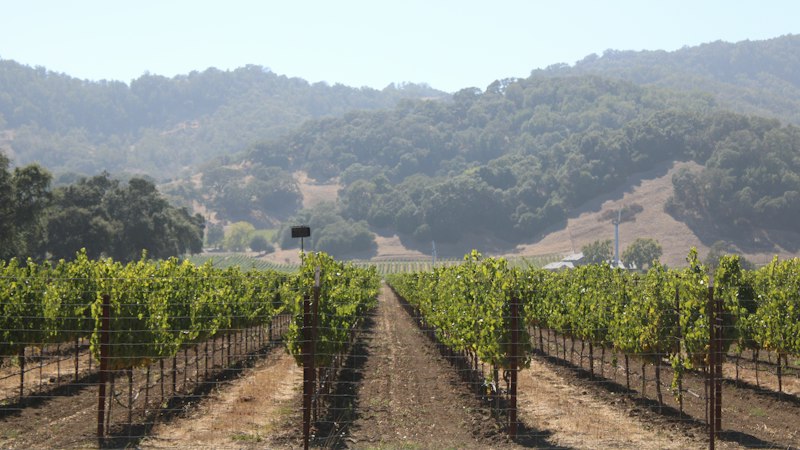
Napa
The City’s own crash data, impaired-driving and winery liability rules, insurance minimums for wine-tour limousines, and what visitors hurt in Napa should know.
Napa injury claims →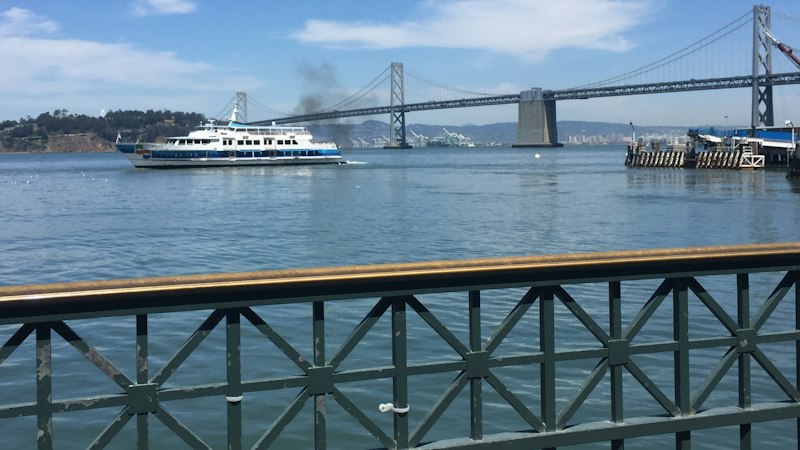
Vallejo and Solano County
Pedestrian and hit-and-run crashes on Sonoma Boulevard, the 24-hour reporting rule for uninsured motorist claims, and why Vallejo cases are filed in Fairfield.
Vallejo injury claims →
San Francisco
SFPD and CHP reports, paper-only claims against the City and Muni, the city’s pedestrian crash data, and robotaxis. Sami lived in San Francisco for more than 15 years.
San Francisco injury claims →
Los Angeles County
The firm regularly handles cases in Los Angeles County: LAPD, Sheriff, and CHP reports, claims against the City, the County, and Metro, and where cases are filed.
Los Angeles County injury claims →
Elsewhere in California and out of state
The Central Valley, Sacramento County, and the rest of the state, plus injuries in other states handled with a lawyer licensed there as local counsel.
How that works →
Mount Tamalpais photo: Joe Matazzoni, CC BY-SA 4.0, Wikimedia Commons.
Local details at a glance
The rules for an injury claim are statewide, but the agencies are local. This table shows who usually writes the crash report, where a claim against a local public agency goes, and where a lawsuit is filed. Each county page has the details and sources.
| Area | Crash reports | Claims against local agencies | Where cases are filed |
|---|---|---|---|
| Marin County | City or town police (the Central Marin Police Authority serves Corte Madera, Larkspur, and San Anselmo); CHP Marin Area on Highway 101, Highway 37, and unincorporated roads such as Kentfield | The city or town clerk; County of Marin for unincorporated roads; Golden Gate Transit, Marin Transit, or SMART for transit | Marin County Superior Court, 3501 Civic Center Drive, San Rafael |
| Sonoma County | City police (Windsor and Sonoma through the Sheriff; Rohnert Park Department of Public Safety); CHP Santa Rosa Area, or CHP Napa Area in the Sonoma Valley east of Trinity Road | The city; County of Sonoma, Clerk of the Board, for county roads and Sonoma County Transit; SMART for rail | Sonoma County Superior Court in Santa Rosa: unlimited civil at 3055 Cleveland Avenue; limited civil at 625 Administration Drive |
| Napa | Napa Police inside the city, including state highway stretches that run as city streets; CHP Napa Area on the Highway 29 freeway and outside city limits | City Clerk, 955 School Street; County of Napa, Clerk of the Board; the State for state highways | Napa County Superior Court, Historic Courthouse, 825 Brown Street |
| Vallejo | Vallejo Police on city streets; CHP Solano Area on I-80, I-780, and Highway 37 | Only the City Clerk’s Office for the City; County of Solano, Clerk of the Board, in Fairfield | Solano County Superior Court civil division, 580 Texas Street, Fairfield |
| San Francisco | San Francisco Police on city streets; CHP San Francisco Area on the freeways and the Bay Bridge | Controller’s Office Claims Division, 1390 Market Street, for the City and Muni, by mail or in person only; the school district separately | San Francisco Superior Court, Civic Center Courthouse, 400 McAllister Street |
| Los Angeles County | LAPD on City of Los Angeles streets; the Sheriff in contract cities; city police in cities such as Long Beach and Pasadena; CHP on freeways and in unincorporated areas | City Clerk, Room 395, City Hall, for the City; Board of Supervisors Executive Office, Room 383, for the County; Metro Legal Services, by mail or in person only | Los Angeles County Superior Court, under its current assignment rules for the district where the case belongs |
Two rules apply everywhere in the table. On freeways and in unincorporated areas, the California Highway Patrol generally takes the report. And a claim against any California public entity for personal injury, whether a city, a county, a transit district, or the State, generally must be filed within six months (Government Code § 911.2). If that deadline is missed, a late-claim application may be possible within one year in limited circumstances (Government Code § 911.4), but it is not guaranteed.
California rules that apply in every county
- Two years to file most injury lawsuits. The general deadline for a personal injury lawsuit against a private person or company is two years from the injury (Code of Civil Procedure § 335.1). Claims for damage to a vehicle or other property generally have three years (§ 338).
- Six months for public agencies. A claim against a city, county, school or transit district, or the State generally must be filed within six months before any lawsuit (Government Code § 911.2).
- Children usually have more time, with one exception. The two-year lawsuit deadline is generally paused until a child turns 18 (Code of Civil Procedure § 352), but the six-month government claim deadline is not paused the same way.
- Shared fault reduces, but does not bar, recovery. California follows pure comparative fault (Li v. Yellow Cab Co. (1975) 13 Cal.3d 804), so an injured person found partly at fault can still recover a reduced amount.
- Uninsured drivers lose some damages. A driver convicted of DUI for the crash, or the owner or driver of a vehicle that was uninsured at the time, generally cannot recover non-economic damages such as pain and suffering (Civil Code § 3333.4), with a narrow exception.
- Your own coverage can matter as much as theirs. Uninsured and underinsured motorist coverage can apply when the at-fault driver has little or no insurance, and hit-and-run claims carry strict reporting conditions (Insurance Code § 11580.2).
First steps after a crash, wherever it happened
- Get medical care and describe exactly how the injury happened. A gap between the crash and the first visit is one of the first things an insurer points to.
- Write down the agency that responded and the report number. City police, a sheriff’s office, and the CHP each have their own process for releasing reports.
- Photograph the vehicles, the scene, and any road condition that played a role, and note businesses or homes with cameras. Video is often overwritten within days.
- If anyone was injured or property damage exceeded $1,000, each driver must file an SR-1 report with the DMV within 10 days (Vehicle Code § 16000).
- You do not have to give a recorded statement to the other driver’s insurer. It is reasonable to wait until you understand your injuries.
- If a city, county, transit agency, or state highway may be involved, mark six months from the crash date. That deadline comes long before the two-year deadline for most lawsuits.
What to have ready for a free consultation
You do not need everything on this list to call. A first conversation is about what happened, how you are doing, and which deadlines apply, and anything missing can be gathered later.
- The date, time, and exact location of the crash, including the nearest cross street or freeway exit.
- The police agency that responded and the report number, if you have them.
- Photos or video of the vehicles, the scene, and your injuries, and the names and phone numbers of any witnesses.
- The declarations page of your own auto policy, along with any letters or emails from an insurance company.
- A list of the doctors, clinics, and other medical providers who have treated you since the crash.
- Pay stubs or a note from your employer if you have missed work.
- Any paperwork from a city, county, transit agency, or the State, since a claim against a public agency may have a six-month deadline.
Hurt away from home
Many injury cases involve someone hurt outside the county where they live: a Marin commuter hit in San Francisco, a Los Angeles resident hurt while visiting wine country, or a visitor from another state. The case generally follows the place of the injury. California law usually applies to a crash in California, the local agency’s report and claim rules apply, and a lawsuit can usually be filed in that county. Medical treatment after you return home still counts, so keep every record and bill, and tell your doctors how the injury happened.
Working with clients outside Marin
Distance changes logistics, not the work. Records requests, insurance communications, recorded statements, and settlement negotiations are handled by phone, video, mail, and email. Sami meets clients in person when a case calls for it, and court appearances happen where the case is pending or by video when the court allows. For a case in another county, the local details matter most early on: getting the right agency’s report, preserving local video, and filing any government claim with the right office.
A local office is a convenience, not a qualification. Every California-licensed lawyer is licensed to practice in every county in the state. The questions worth asking any lawyer you interview, including Sami, are about the advocacy itself: experience with the kind of case you have, a clear strategy for proving it, and whether you trust that lawyer to tell you the truth about it.
Case types we handle in every area
The same practice areas are available wherever the injury happened: car accidents, truck accidents, commercial and delivery vehicle crashes, self-driving car and robotaxi crashes, pedestrian and bicycle injuries, premises liability, and wrongful death. For serious injuries such as traumatic brain injury and spinal cord injury, see the catastrophic injury page.
Atención en español
Sami Sedghani habla español con fluidez. Si usted resultó lesionado en un accidente en cualquier parte de California, puede llamar al (415) 835-4448 para una consulta gratuita. El plazo para presentar un reclamo contra una ciudad, un condado, una agencia de transporte público o el Estado generalmente es de seis meses, y el plazo para presentar una demanda por lesiones generalmente es de dos años. Como el plazo depende de los hechos, es mejor que un abogado con licencia en California determine el plazo que aplica en su caso, en lugar de calcularlo por su cuenta. Esta información es general y no constituye asesoría legal.
Other Bay Area counties
Many Marin cases cross county lines: a commuter hurt on the Golden Gate Bridge approach from San Francisco, or an East Bay driver coming across the Richmond-San Rafael Bridge. The firm also handles injury cases in San Francisco (see our San Francisco guide) and in Contra Costa, Alameda, and San Mateo counties. The same approach applies there: we identify the agency that took the report, any public agency that may be responsible for the road or vehicle, the county where the case belongs, and any six-month claim deadline if a public agency is involved.
Elsewhere in California and out of state
The firm regularly handles cases in Los Angeles County and the Central Valley and serves clients in Sacramento County and elsewhere in the state. Sami is admitted to practice before the California Supreme Court and all California superior courts, and before the U.S. District Courts for the Northern, Central, and Southern Districts of California.
The core rules are the same anywhere in the state. The two-year deadline for most injury lawsuits (Code of Civil Procedure § 335.1), the six-month government claim deadline, and comparative fault apply statewide. What changes from county to county is the local detail: which agency took the report, which city or county owns the road, and where the case can be filed. Under Code of Civil Procedure § 395, an injury case can generally be filed where the injury happened or where a defendant lives.
For an injury outside California, Sami does not appear in another state’s courts on his own. Where it serves the client, he works with a lawyer licensed in that state who serves as local counsel, and in some cases a court may allow him to appear in a specific case alongside local counsel. If two firms share a fee, California Rule of Professional Conduct 1.5.1 requires a written agreement between the lawyers and the client’s written consent after full written disclosure, so the arrangement is explained and agreed to in writing. Other states’ deadlines and fault rules can differ from California’s, sometimes significantly, so an out-of-state injury should be reviewed early.
Frequently asked questions
Does Synergist Law handle injury cases outside Marin County?
Yes. The firm is based in San Rafael and handles cases across Marin, Sonoma, Napa, Solano, San Francisco, and Los Angeles counties, the rest of the Bay Area, and elsewhere in California. Many steps in a case, including records, recorded statements, and negotiation, can be handled by phone and video.
Do I have to come to the San Rafael office?
No. Most of the work in an injury case can be done by phone, video, and secure document exchange. Sami meets clients in person when a case calls for it, and depositions and court appearances happen where the case is pending or by video when the court allows.
Who takes the crash report in California?
It depends on where the crash happened. City police generally handle city streets, and some cities contract with the county sheriff for police services. The California Highway Patrol generally handles freeways and roads in unincorporated areas. The report number and agency name are worth writing down at the scene.
What is the deadline for a claim against a city, county, or transit agency?
Generally six months from the injury for a personal injury claim against a California public entity, under Government Code section 911.2. A late-claim application may be possible within one year in limited circumstances, but it is not guaranteed, so it is safer to treat six months as the deadline.
Can you help with an injury that happened in another state?
In appropriate cases. Sami does not appear in another state’s courts on his own. He works with a lawyer licensed in that state as local counsel, and any fee division is explained and agreed to in writing, as California Rule of Professional Conduct 1.5.1 requires.
I was visiting California when I was hurt. Can my case be handled here?
Usually. A crash in California is generally governed by California law, and a lawsuit can usually be filed in the county where the injury happened. The deadlines do not change when you return home, and treatment you receive after you return home counts.
Where would my California injury case be filed?
Generally in the county where the injury happened or where a defendant lives, under Code of Civil Procedure section 395. The two-year deadline for most injury lawsuits and the six-month deadline for claims against public agencies apply statewide.
Can I still recover if I was partly at fault?
Usually. California follows pure comparative fault, so a share of fault reduces the amount recovered rather than barring the claim. The main exceptions involve drivers who were uninsured at the time of the crash or convicted of DUI for it, who generally cannot recover non-economic damages.
What if the driver who hit me had no insurance or left the scene?
Your own uninsured motorist coverage may apply. For a hit-and-run, California law generally requires physical contact, a report to the police within 24 hours, and a sworn statement to your insurer within 30 days, so those steps should be taken right away.
Do I need a police report to make a claim?
A report helps, but it is not required. If no officer came to the scene, you can still report the crash to the agency afterward, exchange information, photograph the scene, and note witnesses. Each driver must also file an SR-1 report with the DMV within 10 days if anyone was injured or property damage exceeded $1,000.
How much does it cost to hire Synergist Law?
Injury cases are handled on a contingency fee: no attorney’s fee unless we obtain a recovery for you. Depending on the terms of your written fee agreement, you may be responsible for case costs we advance even if there is no recovery. Your fee agreement explains this before representation begins.
Does Sami speak Spanish?
Yes. Sami Sedghani speaks Spanish fluently and can meet with Spanish-speaking clients and family members directly. Sí, hablamos español.
Talk to a lawyer
Wherever the injury happened, I can review the report, the insurance, and your medical records with you and identify the deadlines that apply. Call (415) 835-4448 or request a free consultation. Se habla español. Office: 1299 4th Street, Suite 301, San Rafael, CA 94901.
Contingency fee: no attorney’s fee unless we obtain a recovery for you. Depending on the terms of your written fee agreement, you may be responsible for case costs we advance even if there is no recovery. Your fee agreement explains this before representation begins.