
Serving Marin County and the greater San Francisco Bay Area from our San Rafael office. Synergist Law, P.C. is a boutique California personal injury firm led by Sami Sedghani, Pharm.D., J.D. — an accomplished trial attorney with clinical training. We represent people throughout California who have suffered traumatic brain injuries, from concussions that insurers try to dismiss to severe diffuse axonal injuries and penetrating trauma that will shape the rest of a client’s life.
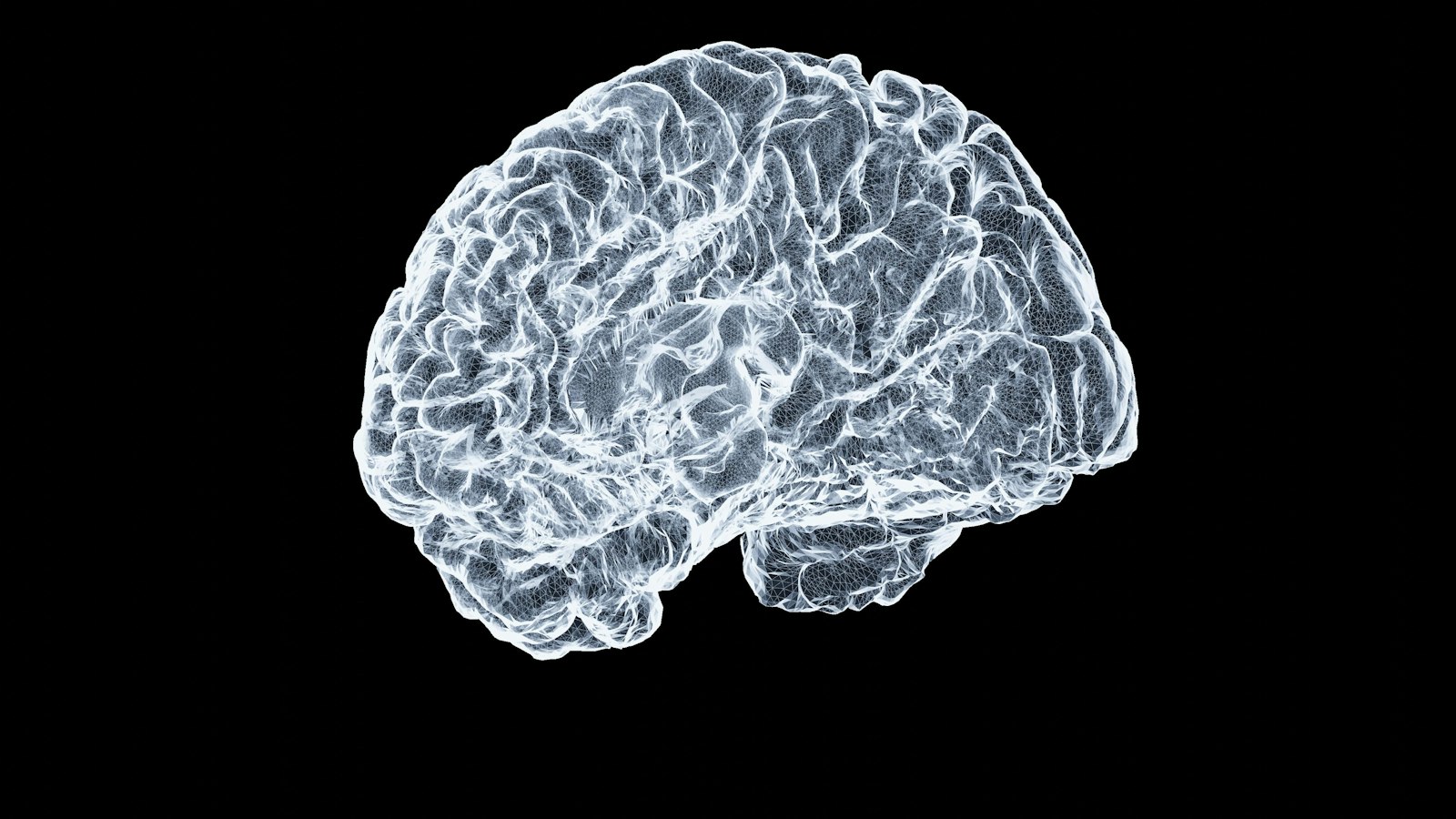
What is a traumatic brain injury?
A traumatic brain injury is a disruption of normal brain function caused by an external force — a bump, blow, jolt, or penetrating head injury. The CDC and the federal TBI surveillance framework classify severity using the Glasgow Coma Scale (GCS) measured shortly after injury:
- Mild TBI (GCS 13–15): often labeled a “concussion.” Loss of consciousness, if any, is brief. Imaging is frequently normal. Symptoms can still be disabling and chronic.
- Moderate TBI (GCS 9–12): longer loss of consciousness, confusion lasting hours to days, and typically abnormal CT or MRI findings.
- Severe TBI (GCS 3–8): prolonged unconsciousness or coma, high risk of permanent cognitive, motor, and behavioral deficits, and often lifelong care needs.
Severity on day one does not reliably predict severity at month twelve. A “mild” concussion can produce persistent post-concussive syndrome, cognitive fatigue, mood disorders, and vestibular dysfunction that quietly disassemble a career. A severe TBI can leave a person medically stable but functionally transformed. Both demand a lawyer who can translate the medicine into damages a jury understands.
Types of traumatic brain injuries
“Head injury” is a layperson term. In litigation, mechanism matters because it drives both causation and prognosis. Common mechanisms we handle:
- Concussion / mild TBI. A rapid acceleration-deceleration injury that disrupts neuronal signaling without visible structural damage on standard CT. Common in rear-end collisions, pedestrian strikes, and falls.
- Coup-contrecoup contusion. The brain strikes the skull at the point of impact (coup) and again on the opposite side (contrecoup). Classic in frontal and temporal lobe injury — the regions governing judgment, memory, and personality.
- Diffuse axonal injury (DAI). Rotational forces shear axons throughout the white matter. DAI often doesn’t show on CT and may require MRI with susceptibility-weighted imaging (SWI) or diffusion tensor imaging (DTI) to detect. It is one of the most devastating — and most under-diagnosed — TBI patterns.
- Subdural hematoma (SDH). Bleeding between the dura and the brain, usually from torn bridging veins. Can be acute (surgical emergency) or chronic (slow bleed, often in older adults after a fall).
- Epidural hematoma (EDH). Arterial bleed between the skull and the dura. The classic “lucid interval” followed by rapid deterioration. Time-critical.
- Subarachnoid hemorrhage (SAH). Bleeding into the space surrounding the brain. In trauma, often marks higher-force impacts.
- Penetrating TBI. Any object that breaches the skull — projectile, machinery, glass. Focal, often catastrophic, and surgically complex.
- Second-impact syndrome. A second concussion before the first has healed, producing catastrophic cerebral edema. A central issue in return-to-play and return-to-work disputes.
What causes a TBI in Marin County and the Bay Area
The event that caused the injury frames the entire case — who the defendants are, what insurance is available, what statute of limitations applies, and what the jury hears first. The TBI cases we see most often in Marin and the greater Bay Area arise from:
- Motor vehicle collisions on US-101, I-580 and the Richmond–San Rafael Bridge, Highway 37, and Sir Francis Drake Boulevard — particularly rear-end impacts, T-bones at intersections, and head-on crashes on winding county routes.
- Bicycle and pedestrian strikes in downtown San Rafael, Mill Valley, Larkspur, Novato, and along the Mill Valley–Sausalito Path, where an unhelmeted or lightly-helmeted head meets a vehicle, a bollard, or pavement.
- Falls from unmaintained premises — broken stair treads, missing handrails, unmarked level changes, poorly lit parking structures, and liquid left on floors in retail and hospitality settings.
- Construction and worksite incidents — falls from scaffolding, struck-by objects, trench collapses, and inadequate head protection. Third-party claims often sit alongside workers’ compensation.
- Sports and recreation — organized youth and adult leagues with inadequate concussion protocols, mountain biking on inadequately maintained trails, skiing/snowboarding incidents involving another participant’s negligence.
- Defective products — helmets, car seats, airbags, vehicle restraint systems, and sports equipment that failed to protect in the way the design and marketing promised.
How a traumatic brain injury is diagnosed
Insurance carriers love a normal head CT. It is the first move in nearly every low-ball defense of a mild TBI: “Imaging was negative, so there is no brain injury.” The medicine doesn’t support that argument, and neither does well-settled California law.
A diligent TBI workup looks beyond the ER CT:
- Non-contrast head CT rules out life-threatening bleeds and fractures. It is not designed to detect axonal injury.
- MRI with SWI and DTI protocols can reveal microhemorrhages and white-matter tract disruption CT misses. Many Bay Area neuroradiologists now run these sequences on request.
- Neuropsychological testing — a validated battery administered by a Ph.D. neuropsychologist — objectively measures attention, processing speed, executive function, working memory, and effort. Done well, it is some of the strongest TBI evidence available.
- Serum biomarkers — UCH-L1 and GFAP (the FDA-cleared Banyan Brain Trauma Indicator) can flag intracranial injury in appropriate windows.
- Vestibular, oculomotor, and balance testing — VOMS, SCAT, computerized posturography — captures symptoms patients can’t describe in words.
- Clinical history from collateral witnesses — the spouse, parent, coworker, or coach who sees the personality change the patient cannot see in themselves.
A Pharm.D.-trained lawyer reads the chart differently. Medication effects on cognition — opioids, benzodiazepines, anticholinergics, sleep aids, antiepileptics — are frequent sources of defense cross-examination (“his memory problems are just the oxycodone”). Separating true TBI sequelae from pharmacologic confounders is a technical fight. We prepare for it before the deposition, not during it.
What is a brain injury case worth?
TBI damages rarely sit on a single invoice. The categories that most often get undervalued, and that we build the case around:
- Loss of executive function. The ability to plan, prioritize, inhibit impulses, and sustain attention. A professional who can no longer juggle a caseload or run a team has suffered a real economic loss even if they return to “work.”
- Personality and relationship change. Irritability, blunted affect, loss of humor, social disinhibition — what family members call “he isn’t the same person.” Loss-of-consortium and household-services claims capture a portion of this.
- Cognitive fatigue and sensory overload. Open-plan offices, grocery stores, children’s birthday parties — environments that were effortless become exhausting. Accommodations, lost promotions, and premature retirement follow.
- Post-traumatic headache and migraine. Often chronic, often treatment-refractory, and often grossly undercompensated when claims adjusters compare it to “a regular headache.”
- Sleep architecture disruption and secondary mood disorder — a compounding injury that affects every other recovery.
- Future care and life-care planning — neuropsychiatric follow-up, cognitive rehabilitation, occupational therapy, speech-language therapy, assistive technology, and, in severe cases, 24-hour attendant care, home modifications, and transportation support. A properly prepared life-care plan transforms a case.
- Lost earnings and lost earning capacity. Not just missed paychecks — the career trajectory you would have had absent the injury, modeled by a qualified vocational expert and economist.
California law that potentially impacts your brain injury case
- Statute of limitations. Personal injury claims in California are generally governed by a two-year limitations period under Code of Civil Procedure § 335.1. Different rules apply to claims against public entities (six-month claim-presentation deadline under the Government Claims Act), minors, and medical-negligence TBIs.
- Comparative fault. California is a pure comparative-negligence state (Li v. Yellow Cab Co. (1975) 13 Cal.3d 804). Any share of fault assigned to the injured person reduces, but does not eliminate, recovery.
- Howell & Corenbaum. Under Howell v. Hamilton Meats (2011) 52 Cal.4th 541 and Corenbaum v. Lampkin (2013) 215 Cal.App.4th 1308, past medical damages are capped at amounts actually paid or incurred — a limitation that disproportionately affects TBI cases with large unpaid charges.
- Loss of consortium. A spouse’s independent claim for the loss of the injured person’s companionship, affection, and support — often substantial in moderate-to-severe TBI.
- Apportionment under Proposition 51. Non-economic damages are allocated among defendants in proportion to fault (Civ. Code § 1431.2). Economic damages remain joint and several.
- Public-entity cases. If a city, county, Caltrans, transit agency, or school district contributed to the injury, a government claim must be presented within six months of the injury under Gov. Code §§ 910–915. Miss it and the claim is almost always lost.
Why choose Synergist Law for your brain injury case
- Clinical fluency. Sami Sedghani holds a Doctor of Pharmacy in addition to his law degree. Reading an MRI report, a neuropsych battery, or a medication list is first-chair work, not something outsourced to a “medical consultant.”
- Local trial experience. We try cases in Marin, San Francisco, Alameda, Contra Costa, and Sonoma courts, with working knowledge of their panels, defense firms, and venue tendencies.
- Boutique attention. You will not be handed off to a case manager or junior associate. Sami personally works your file from intake through resolution.
- Bilingual service. Fluent Spanish-language representation at every step for Spanish-speaking clients and families.
- No attorney’s fee unless we recover. You may be responsible for advanced costs depending on your written fee agreement. Standard contingency representation on personal-injury TBI matters.
For a general explanation of how California claims like these are valued, and why no average can predict the outcome of a particular case, see What’s the Average Value of Brain Injury Claims in California?.
California brain injury FAQ
My head CT in the ER was “normal.” Do I even have a case?
Possibly a very strong one. CT is designed to find bleeds, fractures, and mass effect — not axonal injury or microstructural damage. The majority of mild TBI cases have normal initial CTs. What matters is the mechanism, the symptoms, how they’ve evolved, and the right follow-up workup — often MRI with SWI/DTI, neuropsychological testing, and vestibular/oculomotor evaluation.
How long do I have to file a TBI lawsuit in California?
Generally two years from the date of injury under Code of Civil Procedure § 335.1. If a government entity is involved (Caltrans, a city, a transit agency, a public university), a formal government claim must be presented within six months. Medical-negligence TBIs are governed by MICRA. Deadlines for minors and some discovery-rule situations differ. Do not assume. Because the deadline depends on the facts, it is better to have a licensed California attorney determine the deadline that applies than to calculate it yourself.
The other driver’s insurer offered a quick settlement. Should I take it?
Almost never, in a TBI case. Symptoms often evolve for 6–18 months. The damages picture is not complete until you’ve reached maximum medical improvement or a stable chronic baseline. A quick-pay release signed in month two can foreclose six-figure, sometimes seven-figure, future-care losses. Let an attorney review any offer before you sign anything.
Can I bring a case if I was partly at fault for the accident?
Yes. California applies pure comparative negligence. A jury can assign a percentage of fault to you (for example, failing to wear a helmet) and your recovery is reduced by that percentage — but it is not eliminated, even if your share of fault is substantial.
What is a TBI case worth?
There is no bracket. Value depends on severity (GCS, imaging, neuropsych results), the client’s pre-injury trajectory, the strength of liability, available insurance and defendants, venue, and the quality of the life-care plan and economic analysis. Chronic post-concussive syndrome in a high-earning professional can be worth more than a severe TBI in a client with limited future wage loss — and vice versa. We do not quote numbers over the phone before reviewing the file.
Does Synergist Law handle TBI cases outside Marin County?
Yes. We represent TBI clients throughout California, with concentrations in San Francisco, Alameda, Contra Costa, Sonoma, Napa, Solano, San Mateo, and Santa Clara counties, and we try cases in those venues.
Will I have to go to trial?
Most TBI cases resolve before trial, but the preparation is what drives the settlement. Insurers settle fairly when the file is ready for a jury — retained experts, deposition transcripts, a life-care plan, and a credible trial counsel of record. We work every case as if it will try, which is why most do not.
How does Sami’s Pharm.D. background help a TBI case?
Many TBI patients are on neuroactive medications — opioids, benzodiazepines, antidepressants, anticonvulsants, sleep aids, stimulants. Defense experts routinely argue that cognitive symptoms are “medication side effects, not brain injury.” A lawyer who reads a med list clinically can separate what the drugs cause from what the injury causes, and prepare the plaintiff’s treating physicians and retained experts to meet that argument head-on at deposition and trial.
Talk to a Marin County TBI lawyer today
If you or a loved one has suffered a traumatic brain injury — from a mild concussion that insurers are brushing aside to a severe injury that will require lifelong care — Synergist Law, P.C. offers a free, confidential consultation. Call (415) 835-4448 or contact us online. Serving Marin County, the Bay Area, and all of California.
Attorney Advertising. The information on this page is for general informational purposes only and does not constitute legal or medical advice. Reading this page, contacting the firm, or submitting a case inquiry does not create an attorney–client relationship. Past results do not guarantee a similar outcome. Every case is different; prognosis, treatment, and settlement value depend on facts specific to the individual client. For advice about your situation, consult a licensed California attorney.